
Follow the reason for treatment

Does Pet Insurance Cover Dental?

Injury, dental disease and a routine cleaning can fall under different benefits, even when all involve the same teeth.

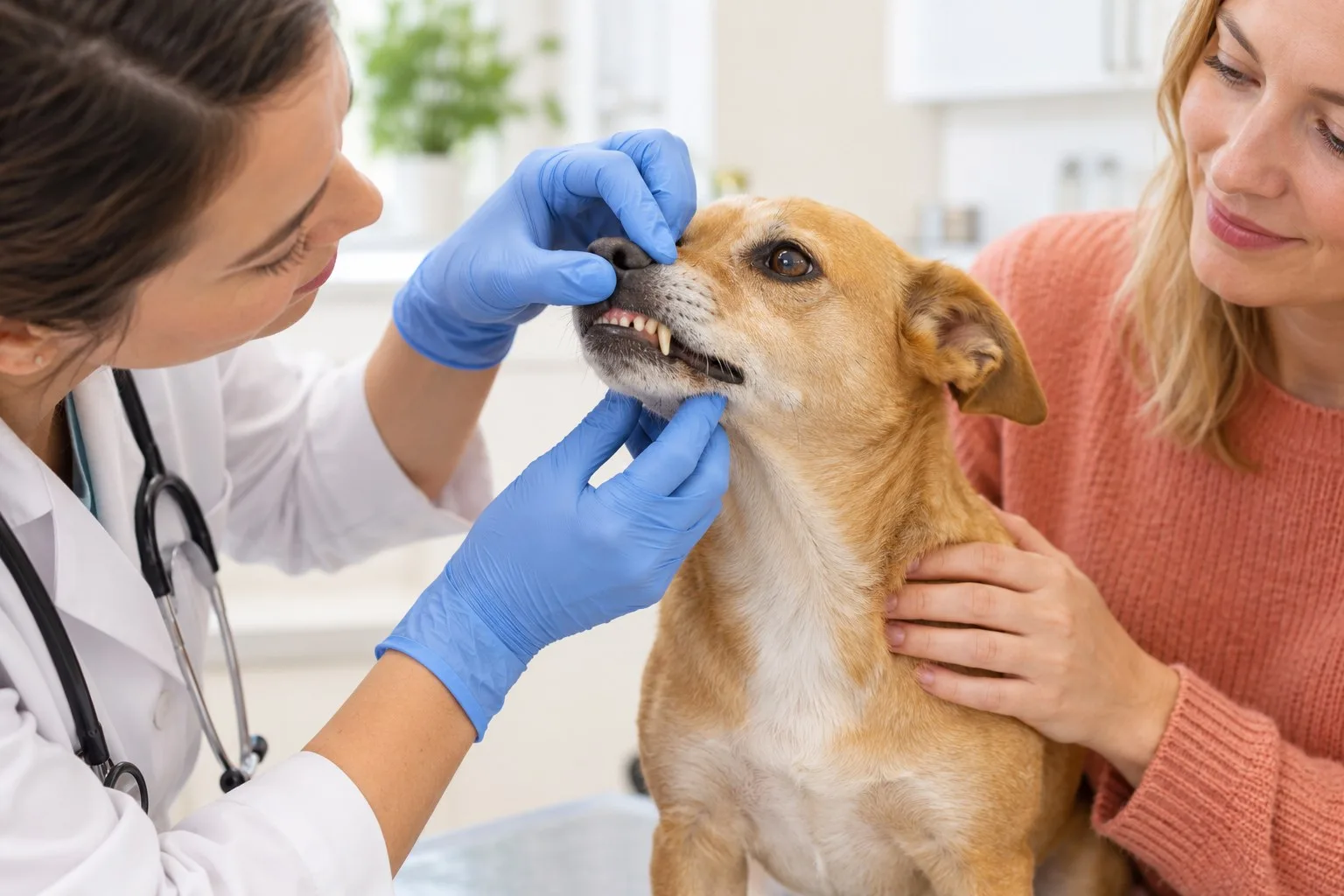
Veterinarian gently inspecting a tan dog’s teeth while its owner supports it
✓ Policy-first ✓ Independent ✓ Useful checks
Direct answer
Pet insurance can cover dental expenses, but coverage depends on the cause, the selected benefits and the policy wording. Eligible accidental injury may fall within accident-and-illness cover; dental disease can require a separate benefit; routine cleaning needs explicit preventive or dental coverage. Existing conditions, waiting rules and dental limits still matter.
Coverage

Match the dental need to a coverage route

Dental need Likely place to check Important boundary
A new accidental tooth injury Accident coverage and the dental-injury definition The record must support an eligible event; check tooth and procedure restrictions.
Gum disease or another dental illness Dental illness wording or a dental add-on A base medical policy may exclude this care; earlier signs can affect eligibility.
Preventive cleaning A named cleaning benefit in a wellness or dental schedule Routine care is not automatically included just because a veterinarian performs it.
Home toothpaste or elective orthodontics Exclusions and any express allowance Do not count these costs as covered without a specific provision.

These are checking routes, not universal promises. An extraction describes a procedure; it does not by itself identify whether the bill concerns injury, disease or another excluded reason. Start with the clinical explanation, then apply the contract.

What to know

Two Current insurer dental options are materially different

Dental Illness covers eligible disease treatment but excludes routine cleanings and pre-existing dental conditions; its deductible applies. Dental Care combines illness treatment and routine cleaning, has no deductible and includes pre-existing dental conditions. The latter is offered for initial addition at ages zero through three, with continued retention dependent on uninterrupted coverage and keeping the add-on.

Both require attention to the offered terms, including waiting periods and recommended preventive care. The official add-on guide lists a separate annual dental limit. Obtain the endorsement and actual limit rather than treating “dental included” as unlimited payment. A similarly named option in another state may operate differently.

This comparison answers which kind of product could meet the need; it is not a ranking or confirmation that either option is available for your pet. Existing policyholders should ask which changes are available at renewal and whether underwriting approval is needed.

What to know

When the cause of a broken tooth is unclear

Illustrative records problem: the estimate proposes treatment for a fractured tooth, but the consultation note does not establish how the damage happened. The procedure’s name cannot establish an accident claim. Ask the insurer which evidence it requires and ask the veterinarian for any factual clarification available. Do not invent an accidental cause to fit the benefit.

Keep the reimbursement uncertain until the missing information is resolved. An owner’s recollection, a veterinarian’s findings and an insurer’s coverage decision serve different purposes. Submit each accurately and retain any written explanation of why the injury definition does or does not apply.

If the insurer cannot give a binding determination before treatment, ask what its preliminary response means. A cost estimate is not a clinical record, and an informal benefit explanation is not a payment guarantee. Make the care decision with the veterinary team while planning for the possibility that the bill remains yours.

Quotes

Read the estimate beyond the main procedure

Examination and diagnostics

Locate the rules for the consultation, dental radiographs and other testing. A procedure benefit does not automatically establish the treatment of every associated charge.

Medicines and follow-up

Ask how take-home prescriptions and later reviews are assessed. Keep the indication and service dates linked to the original dental record so the insurer can understand the claim.

AVMA explains that a thorough dental evaluation and cleaning may involve work below the gumline and anesthesia. That clinical context is different from a policy’s classification of the expense. Avoid choosing an incomplete clinical service merely because its name appears to fit an allowance; ask the veterinarian what care is appropriate.

Before budgeting a reimbursement, establish which charges are eligible, the remaining dental allowance, any applicable medical limit and the order of cost sharing. The insurer’s calculation can leave a balance even when the procedure itself qualifies.

What to know

The dental-history file to assemble

  • Earlier mouth examinations and any recorded recommendations for cleaning or treatment.
  • Dates when signs were first noticed, advice was given and treatment was performed.
  • Available dental charts, imaging reports and the final itemized invoice.
  • Proof of preventive care required by the selected endorsement, if any.
  • The precise dental option and effective date, including any waiting requirement or continuity condition.

Accurate history is particularly important when a new policy is being considered after a dental recommendation. An appointment scheduled for next month is not necessarily a new condition next month. Where the contract has a pre-existing exception, ask how it applies to these actual facts rather than assuming either automatic exclusion or automatic cover.

Coverage

Resolve the coverage question in writing

A useful request identifies the pet, offered policy and add-on, the veterinarian’s stated reason for treatment and the relevant estimate. Ask which benefit assesses each item and which exclusions or conditions remain unresolved. Save the response with the endorsement so you can compare it with a later claim decision.

If you are only planning routine cleaning, confirm that cleaning is expressly named. If disease treatment is the concern, a preventive allowance alone is insufficient evidence. If an injury has already occurred, a new purchase should not be treated as retroactive funding. These distinctions are more useful than a single yes-or-no dental label.

Next step

Compare Current Pet Insurance Rates

Check current options for your pet and location, then compare the policy details, exclusions, costs, and eligibility before choosing.

Compare the policy before you choose Check the actual offer, exclusions and out-of-pocket terms.
See Rate Options